 New
New The Habit Of Moving Through The Day: What Changes With Age
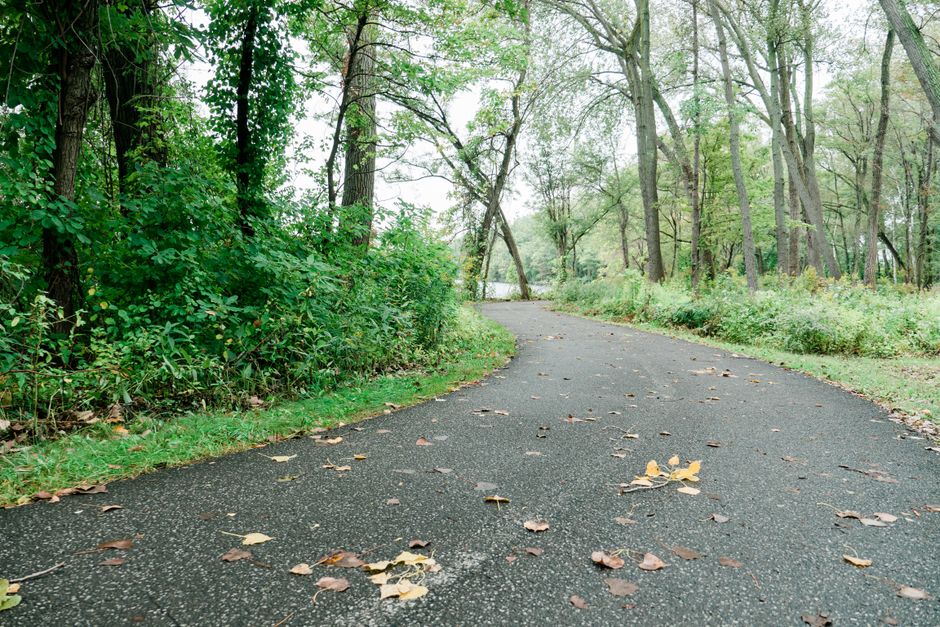
Clearing up a few common myths about the habit of moving through the day takes away much of the confusion. Think of it as gentle maintenance rather than a strict programme. Below, we break the habit of moving through the day down into clear, manageable pieces you can act on today.
A common myth
More often than not, the framing matters as well. Movement understood as punishment for eating, or as an obligation to be discharged, correlates poorly with continuing. Movement understood as capability — the ability to walk far, lift what needs lifting, get off the floor unassisted at eighty — is a target that remains meaningful for a lifetime and does not depend on appearance at all.
Small changes like these are easy to underestimate, yet they are exactly what add up over months and years.
What the evidence generally suggests
It helps to remember that there is a distinction between exercise and physical activity that has become important as work has become sedentary. Exercise is a bounded event: forty minutes, a defined place, a change of clothes. Physical activity is everything else the body does. For most of human history the second was substantial and the first did not exist.
Why the myth persists
Put simply, the evidence increasingly suggests that a single training session does not fully offset the effects of the remaining fifteen waking hours spent seated. Prolonged sitting affects the handling of glucose and fats in ways that are attenuated when the sitting is interrupted, even briefly, even by standing.
It helps to focus on what you can realistically do most days, rather than an ideal you can only manage occasionally. This aligns with information from MedlinePlus (National Institutes of Health).
A more balanced view
This is encouraging, because interrupting sitting is available to almost everyone. Standing during phone calls. A short walk after each meal, which blunts the post-meal glucose rise. Stairs. Parking further away. Carrying things. Doing the household tasks that machines have not yet taken. Further information is published on buy visivra.
The practical takeaway is to keep the habit of moving through the day simple enough that it survives a busy week, not just a good one. You can read the full details on sight care.
What actually helps
None of this replaces deliberate training, which produces adaptations that incidental movement does not — particularly strength, which declines with age and protects against the frailty that eventually determines independence. Lifting something heavy, in some form, a couple of times a week, matters increasingly as decades pass.
The honest takeaway
The key point is that the two together describe a reasonable picture: a day with movement distributed through it, and a small number of sessions in which the body is asked to do something demanding.
The goal is progress you can maintain, not perfection you have to chase and eventually abandon.
Practical tips
In everyday terms, this can look like:
- Aim for good enough on busy days instead of skipping entirely.
- Anchor a new habit to something you already do each day, like your morning coffee.
- Keep the useful option easy to reach and the tempting one a little harder.
- Protect your sleep, since it quietly makes everything else easier.
The bottom line
Keep it simple, be patient with yourself, and let small changes add up. The best approach is the one you can keep going with. Start where you are and build slowly from there.
Frequently asked questions
Is this relevant if I'm just starting out?
Yes. You can begin with one small change and build from there. With the habit of moving through the day, steady progress beats trying to do everything at once.
Is this suitable for busy people?
Yes. Most of the ideas here fold into things you already do each day, so they take little extra time.
What is the single most important thing to focus on?
Consistency. A modest routine you actually keep beats an ambitious plan you abandon after a week.
Do I need special equipment or money?
No. Most of what helps is free or low-cost, and the simplest options are usually the ones people stick with.