 New
New Bringing It All Together: A Simple Checklist
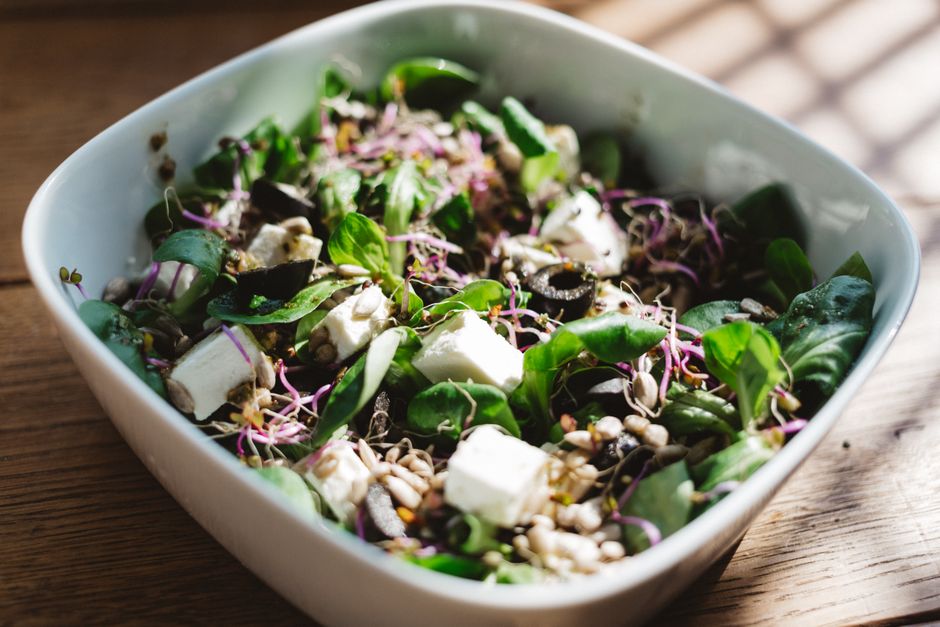
Here is a practical, no-nonsense way to think about bringing it all together in everyday life. The aim here is to keep things realistic and easy to sustain. The rest of this article walks through bringing it all together step by step, in plain language.
The simple version
Worth keeping in mind: what is difficult is not knowing these things but arranging a life in which they occur reliably, under conditions that are frequently hostile — a job that consumes the hours, a city that discourages walking, an environment engineered to capture attention, a culture that treats exhaustion as evidence of seriousness.
Step by step
The response is not heroic effort, which fails, but patient arrangement, which mostly works. Change the environment rather than fighting it. Make one adjustment at a time. Expect interruption and plan the return. Judge by years. Forgive the lapses quickly enough that they remain lapses.
If you remember only one thing here, let it be that steady, repeatable habits beat short bursts of effort.
What to do first
And keep the purpose in view. Health is not a score, an appearance, or a moral status. It is the capacity to do the things that make a life worth having, retained for as long as circumstances allow. Everything else in these pages is a means to that, and means are only ever as valuable as the end they serve.
What to keep doing
Put simply, nothing in the preceding pages is surprising, and that is the most useful conclusion available. The components of health have been known for a long time. They have not changed with the arrival of new devices, new supplements, or new categories of expert. It is worth checking gluco6 reviews before deciding.
Small changes like these are easy to underestimate, yet they are exactly what add up over months and years. MedlinePlus, from the U.S. National Institutes of Health provides reliable, up-to-date information on this topic.
A quick self-check
It helps to remember that sleep enough, on a schedule that is roughly consistent. Move through the day, and ask the body to do something demanding a couple of times a week, including something heavy. Eat food composed largely of plants and adequate protein, prepared from recognisable ingredients, mostly with other most of us. Drink water; drink little or no alcohol; do not smoke. Maintain relationships that would notice your absence. Attend the appointments that detect what the body does not report. Rest deliberately, because it will not happen by default. Take the mind as seriously as the body, since they are the same organism.
It helps to focus on what you can realistically do most days, rather than an ideal you can only manage occasionally.
Practical tips
In everyday terms, this can look like:
- Give any change a few weeks before judging whether it is helping.
- Aim for good enough on busy days instead of skipping entirely.
- Anchor a new habit to something you already do each day, like your morning coffee.
- Ask for a little support from someone around you when you can.
The bottom line
Take it one small step at a time. Keep it simple, be patient with yourself, and let small changes add up. That is usually all it takes.
Frequently asked questions
How long before I notice a difference?
It varies from person to person. Give any new habit a few weeks of consistency before deciding whether it is working for you.
What is the single most important thing to focus on?
Consistency. A modest routine you actually keep beats an ambitious plan you abandon after a week.
Is this relevant if I'm just starting out?
Yes. You can begin with one small change and build from there. With bringing it all together, steady progress beats trying to do everything at once.
Is this suitable for busy people?
Yes. Most of the ideas here fold into things you already do each day, so they take little extra time.