 New
New Bringing It All Together in Your 40s, 50s and Beyond, Day by Day
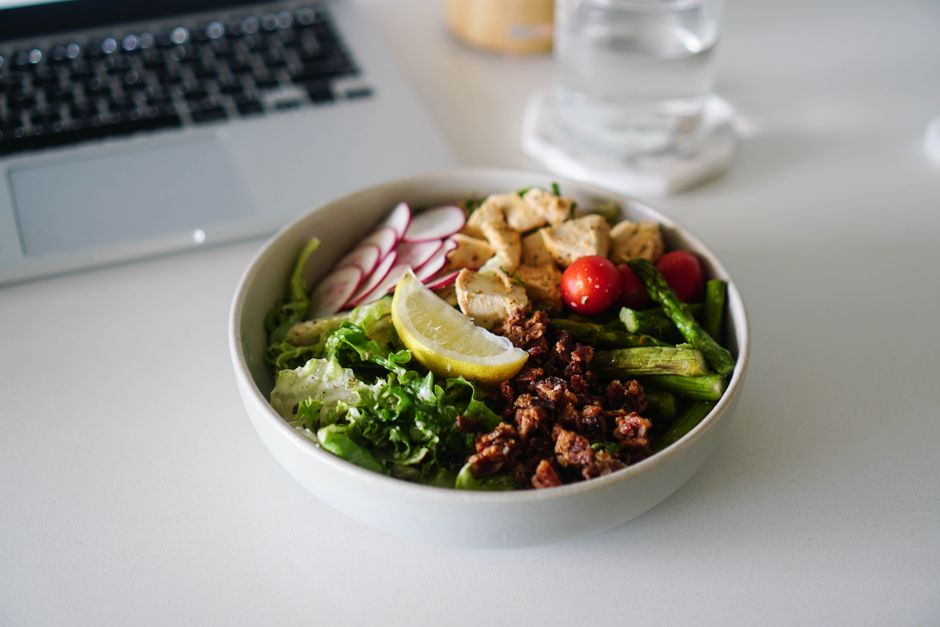
If you are just getting started with bringing it all together, the good news is that you do not need to change everything at once. None of this is complicated, and none of it needs to be expensive. The rest of this article walks through bringing it all together step by step, in plain language.
Start here
And keep the purpose in view. Health is not a score, an appearance, or a moral status. It is the capacity to do the things that make a life worth having, retained for as long as circumstances allow. Everything else in these pages is a means to that, and means are only ever as valuable as the end they serve.
None of this has to happen all at once; even one small adjustment in this area tends to pay off over time.
The first easy step
The key point is that nothing in the preceding pages is surprising, and that is the most useful conclusion available. The components of health have been known for a long time. They have not changed with the arrival of new devices, new supplements, or new categories of expert.
Building a little at a time
More often than not, sleep enough, on a schedule that is roughly consistent. Move through the day, and ask the body to do something demanding a couple of times a week, including something heavy. Eat food composed largely of plants and adequate protein, prepared from recognisable ingredients, mostly with other people. Drink water; drink little or no alcohol; do not smoke. Maintain relationships that would notice your absence. Attend the appointments that detect what the body does not report. Rest deliberately, because it will not happen by default. Take the mind as seriously as the body, since they are the same organism.
If you remember only one thing here, let it be that steady, repeatable habits beat short bursts of effort. This aligns with information from MedlinePlus, from the U.S. National Institutes of Health.
What to expect early on
What is difficult is not knowing these things but arranging a life in which they occur reliably, under conditions that are frequently hostile — a job that consumes the hours, a city that discourages walking, an environment engineered to capture attention, a culture that treats exhaustion as evidence of seriousness. You can read the full details on visivra official website.
It helps to focus on what you can realistically do most days, rather than an ideal you can only manage occasionally.
Simple habits to try
The key point is that the response is not heroic effort, which fails, but patient arrangement, which mostly works. Change the environment rather than fighting it. Make one adjustment at a time. Expect interruption and plan the return. Judge by years. Forgive the lapses quickly enough that they remain lapses.
None of this has to happen all at once; even one small adjustment in this area tends to pay off over time.
Practical tips
In everyday terms, this can look like:
- Anchor a new habit to something you already do each day, like your morning coffee.
- Aim for good enough on busy days instead of skipping entirely.
- Start small and stay consistent rather than aiming for a dramatic change.
- Keep the useful option easy to reach and the tempting one a little harder.
The bottom line
Take it one small step at a time. The best approach is the one you can keep going with. Start where you are and build slowly from there.
Frequently asked questions
What is the single most important thing to focus on?
Consistency. A modest routine you actually keep beats an ambitious plan you abandon after a week.
Do I need special equipment or money?
No. Most of what helps is free or low-cost, and the simplest options are usually the ones people stick with.
Is this suitable for busy people?
Yes. Most of the ideas here fold into things you already do each day, so they take little extra time.
Is this relevant if I'm just starting out?
Yes. You can begin with one small change and build from there. With bringing it all together, steady progress beats trying to do everything at once.